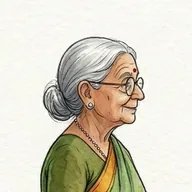
Ba knows.
Modern science is finally catching up to what Indian grandmothers always knew. Explore the data, the wisdom, and the truth behind everyday food.
Choose a metric
Source: NFHS-5 (2019–21), Government of India
Ba's read
Maharashtra sits close to the national average, anaemia is a nationwide problem, not a regional one.
Maharashtra: 54.2% · National avg: 57%
Maharashtra (54.2%) is less than the national average of 57%, better than most of India.
Highest · Top 5
Lowest · Top 5
Show full data table (Anaemia in women (15–49))
| State / UT | Value (%) |
|---|---|
| Ladakh | 92.8 |
| West Bengal | 71.4 |
| Tripura | 67.2 |
| Assam | 65.9 |
| Jammu and Kashmir | 65.9 |
| Andaman and Nicobar Islands | 65.7 |
| Jharkhand | 65.3 |
| Gujarat | 65 |
| Odisha | 64.3 |
| Dadra and Nagar Haveli and Daman and Diu | 63.6 |
| Bihar | 63.5 |
| Chhattisgarh | 60.8 |
| Haryana | 60.4 |
| Chandigarh | 60.3 |
| Andhra Pradesh | 58.8 |
| Punjab | 58.7 |
| Telangana | 57.6 |
| Puducherry | 55.2 |
| Madhya Pradesh | 54.7 |
| Rajasthan | 54.4 |
| Maharashtra | 54.2 |
| Meghalaya | 53.8 |
| Tamil Nadu | 53.4 |
| Himachal Pradesh | 53 |
| Uttar Pradesh | 50.4 |
| Delhi | 49.9 |
| Karnataka | 47.8 |
| Nagaland | 42.6 |
| Uttarakhand | 42.6 |
| Sikkim | 42.5 |
| Arunachal Pradesh | 40.3 |
| Goa | 39 |
| Kerala | 36.3 |
| Mizoram | 34.8 |
| Manipur | 29.4 |
| Lakshadweep | 26.6 |
Facts every Indian should know
Real numbers from real surveys, every card cites its source.
The thali, decoded
Hover any bowl to hear Ba. Tap to unlock the full story.
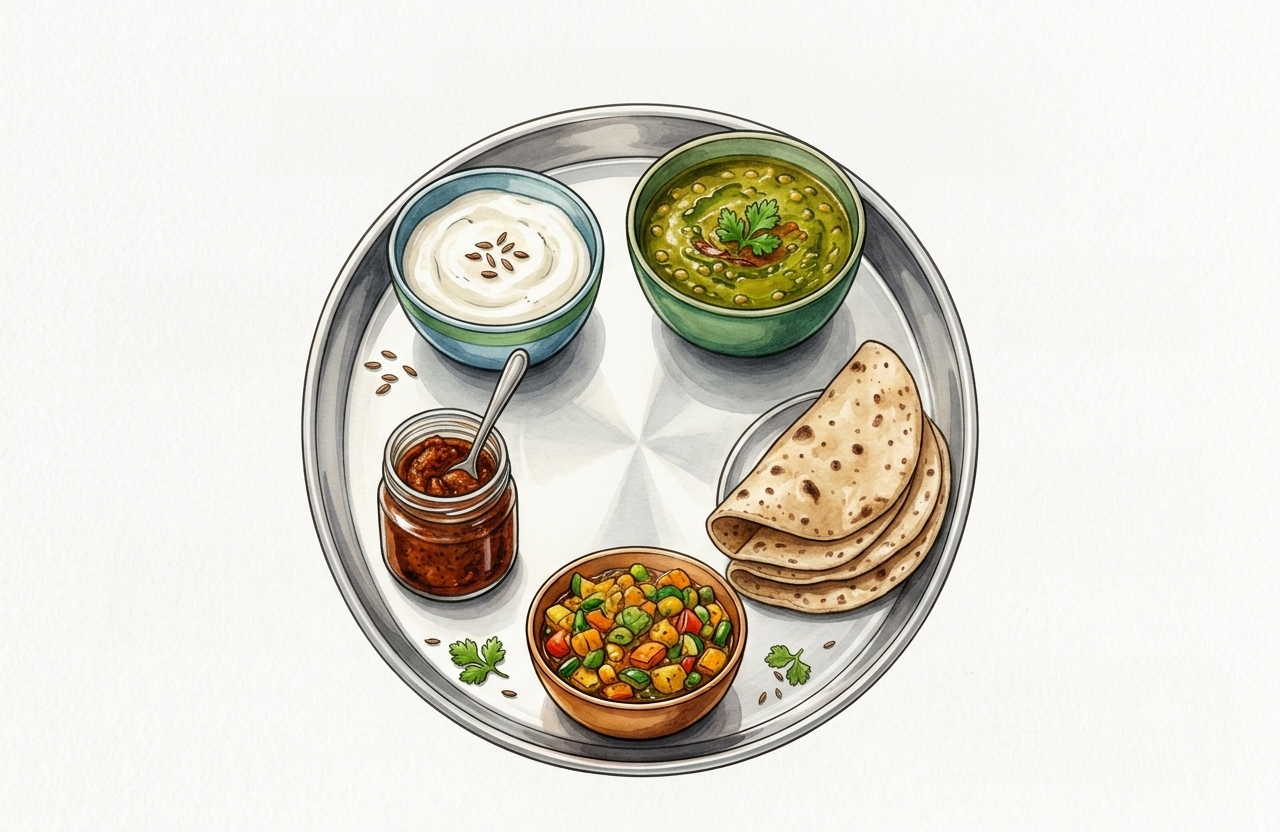
Half the plate, phytonutrients, fibre, potassium, folate and vitamins A and C. The colour of the meal.
Harvard Healthy Eating Plate: vegetables and fruit fill ½ the plate, the more colour and variety, the better (potatoes don't count as veg). ICMR-NIN DGI 2024: eat at least 400 g of vegetables and fruit every day.
Dietitians call this the “plate method.” Ba just called it dinner.
References: Harvard T.H. Chan SPH, The Healthy Eating Plate; ICMR-NIN Dietary Guidelines for Indians (2024); WHO Healthy Diet.
Then vs now
What changed on India's plate, and why it matters.
- Roti / bajra / jowarWhole grains from the field
- Seasonal sabziWhatever the mandi had that week
- Dal or rajmaDaily plant protein
- Katori dahiHome-set curd
- Gur / jaggery in teaSmall, occasional sweetness
- Seasonal fruitOrange in winter, mango in summer
- Maida biscuits & rusksRefined-flour packaged snacks
- Sugary cold drinksColas, packaged juices
- Packet chips & namkeenRefined oil, high salt
- Instant noodlesUltra-processed, low fibre
- Chocolate & candyAdded sugar between meals
- Screen-time snackingMindless eating while scrolling
Retail sales of ultra-processed foods in India roughly doubled between 2011 and 2021.
WHO India, Ultra-Processed Food & Beverages in India, 2023Overweight in Indian children under 5 rose from 2.1% (NFHS-4) to 3.4% and continues to climb in recent state surveys.
MoHFW, NFHS-4 (2015–16) & NFHS-5 (2019–21)Indian adults now live with diabetes, a chronic disease strongly linked to ultra-processed diets and low physical activity.
ICMR-INDIAB, The Lancet Diabetes & Endocrinology, 2023Myth vs Ba
Question what you're told. Ba always did. Tap a card to reveal what the evidence actually says.
BMI calculator, Indian cutoffs
A gentle screening number. Not a diagnosis. Your height and weight are never saved.
Why is India’s scale different?
Indians tend to carry more body fat and face higher risk of diabetes and heart disease at lower BMI than Western populations, so India uses lower cut-offs (overweight starts at 23, not 25).
Source: ICMR / Ministry of Health & Family Welfare, India.
A gentle reminder: BMI is a rough screening number, not a diagnosis. It doesn’t measure health, fitness, or worth. Muscle, bone and body type all affect it. For real guidance, talk to a doctor.
Learn from the source
A living library curated by the #BaDekhRahiHai team, official Indian guidelines, WHO reports, and credible research. Suggest a resource via our contact page.
Why this matters
Numbers on a map are made of everyday choices, the atta we buy, the snack we grab after school, the cold drink at a wedding. #BaDekhRahiHai exists because these choices add up to a country's health. When you read the label, ask what's in it, and eat one more sabzi, you move your state's number too.